Compassionate PTSD Counseling in Maryland

Recovery from trauma is possible. MBHO provides specialized, trauma-informed PTSD counseling through convenient virtual appointments, helping Maryland residents of all backgrounds, including veterans, process trauma, reduce symptoms, and reclaim their lives.

trauma therapy Maryland

What is Post-Traumatic Stress Disorder?

Post-Traumatic Stress Disorder (PTSD) is a serious condition that develops after experiencing or witnessing a traumatic event. While many people experience trauma, not everyone develops PTSD. Those who do experience intense, prolonged symptoms that significantly impact daily functioning.

Important to know:

  • PTSD is a legitimate medical condition, not a sign of weakness
  • Trauma affects people differently, there’s no “right way” to react
  • Recovery is absolutely possible with proper treatment
  • About 3.5% of American adults have PTSD annually
  • PTSD is highly treatable with specialized care

Types of Traumatic Events

Combat & Military Trauma:

  • Direct combat exposure
  • IED explosions or mortar fire
  • Military sexual trauma (MST)
  • Witnessing fellow soldiers injured or killed
  • Moral injury from difficult decisions

Interpersonal Violence:

  • Physical or sexual assault
  • Rape or sexual abuse
  • Domestic violence
  • Childhood abuse
  • Human trafficking
  •  

Accidents & Disasters:

  • Motor vehicle accidents
  • Workplace accidents or injuries
  • Natural disasters (earthquakes, floods, hurricanes)
  • Plane or transportation crashes
  • Industrial explosions

and many more……

How PTSD Manifests After Trauma

PTSD symptoms typically appear within days to weeks of trauma and fall into four categories:

Re-Experiencing Symptoms:

Intrusive reminders of the trauma that feel like it’s happening again.

  • Flashbacks: Vivid, involuntary memories where you feel you’re re-experiencing the trauma
  • Nightmares: Distressing dreams about the event (sometimes related, sometimes symbolic)
  • Intrusive Thoughts: Unwanted memories or images that suddenly appear
  • Emotional Triggers: Strong emotional reactions to reminders (sounds, smells, locations)
  • Physical Reactions: Heart racing, sweating, trembling when reminded of trauma
  • Anniversary Reactions: Heightened symptoms near the date or anniversary

Avoidance Symptoms:

Avoiding reminders of the trauma.

  • Avoiding specific places, people, or activities connected to the event
  • Avoiding discussions about what happened
  • Avoiding driving (after accident trauma)
  • Avoiding crowds (after violence or disaster)
  • Avoiding news coverage or media related to trauma type
  • Emotional numbing or avoiding feelings

Negative Changes in Thinking & Mood:

Persistent negative beliefs and emotional changes.

  • Persistent negative beliefs about oneself (“I’m damaged,” “I’m to blame”)
  • Persistent negative beliefs about others (“People are dangerous,” “I can’t trust anyone”)
  • Blaming yourself or others for the trauma
  • Pervasive negative emotions (fear, shame, guilt, anger)
  • Loss of interest in previously enjoyed activities
  • Feeling detached from family and friends
  • Inability to recall important aspects of the traumatic event
  • Feeling hopeless about the future

and many more…

Comprehensive Trauma-Focused Care

Post-Traumatic Stress Disorder (PTSD) :
Full PTSD as described above, with significant symptoms lasting more than one month and substantially impairing functioning.

Acute Stress Disorder (ASD):
Similar symptoms to PTSD but occurring within one month of trauma. Early intervention can prevent PTSD development.

Complex PTSD (C-PTSD):
Resulting from prolonged, repeated trauma (childhood abuse, domestic violence, combat exposure, captivity). Includes additional symptoms: persistent difficulty regulating emotions, negative self-perception, difficulty in relationships, distorted perception of perpetrator.


Moral Injury
Psychological impact of perpetrating, witnessing, or failing to prevent actions that violate one's moral code. Common in military, law enforcement, and healthcare. May accompany PTSD or occur independently.

Trauma-Related Grief :
Normal grief complicated by trauma symptoms. Requires specialized treatment addressing both grief and trauma.

Childhood Trauma & Developmental Trauma:
Trauma occurring during critical developmental periods affecting attachment, emotional regulation, and self-concept. May require modified treatment approaches.

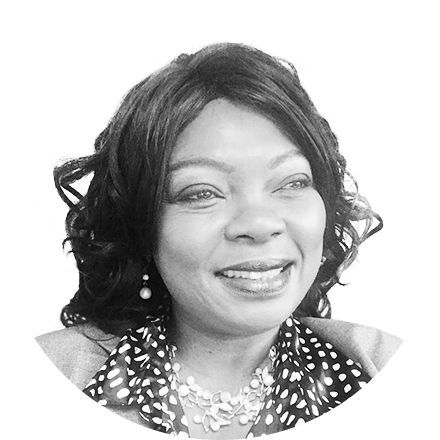
Dr. Ngozika Angie Okoye, DNP, PMHNP-BC, Maryland Telepsychiatrist

Trauma-Informed, Evidence-Based Care

Dr. Ngozika “Angie” Okoye brings almost three decades of healthcare expertise to treating anxiety, combining board certification in both Family Medicine and Mental Health with a compassionate, solution-oriented approach.

What Makes Dr. Angie's ADHD Treatment Different:

Trauma-Informed Foundation

Dr. Angie understands trauma’s impact on the brain, body, and relationships. Every aspect of treatment respects trauma survivors’ experiences and recognizes trauma’s universal effects. She creates a safe, empowering environment where healing can occur.

Long-Term Support

PTSD recovery takes time. Dr. Angie provides ongoing support through all phases, acute symptom management, processing trauma, rebuilding life, and preventing relapse.

Medical + Psychiatric Expertise

With dual board certification, Dr. Angie understands trauma’s physical health effects (chronic pain, immune dysfunction, cardiovascular effects) and integrates this knowledge into treatment planning.

Evidence-Based Therapies

Dr. Angie uses proven trauma treatments with strong research support, never minimizing or dismissing trauma survivors’ experiences.

What Our Patients Are Saying

Hear from real people who’ve transformed their mental health with MBHO

What's going well:
Professionalism Treatment Style Other
If I could see her in person from now on I would! She is just wonderful!
What's going well:
N/A
Dr. Ngozika is very thorough, caring, and understanding. I appreciate her greatly.
What's going well:
Professionalism Treatment Style Meeting Medication Needs Other
Other: Very insightful observations
What's going well:
N/A
Dr. Angie, exuded a blend of compassion and expertise that instilled confidence. Her warm demeanor, sprinkled with a delightful sense of humor, made for a welcoming and comfortable atmosphere. Her kind approach truly put me at ease during our first session. I couldn’t recommend her enough!
What's going well:
Professionalism Treatment Style Meeting Medication Needs Other
Other: She’s very thorough and attentive. I appreciate her time and attention to detail!
What's going well:
Professionalism Treatment Style Meeting Medication Needs Other
Other: Availability and friendliness
What's going well:
Professionalism Treatment Style Meeting Medication Needs Other
Other: Dr. Angie is an incredible doctor, and has helped me so much with my anxiety and depression.
What's going well:
Professionalism Treatment Style Meeting Medication Needs Other
Other: This doctor has a wonderful, caring attitude! She has been so attentive with me, and I feel comfortable speaking freely with her about my progress and different thoughts about medication.
What's going well:
Other
Other: Dr Angie is goes above and beyond and cares for her patients. I'm so blessed to have connected with her.

We Partner With Leading Providers

Clients & Partners Section

PTSD Counseling Throughout Maryland

MBHO provides virtual trauma-informed PTSD treatment to patients across Maryland:

PTSD Treatment FAQ - MBHO

Frequently Asked Questions

Answers to common questions about PTSD treatment

Most evidence-based PTSD treatments (CPT, PE, EMDR) involve 12-16 weeks of sessions. However, total recovery time varies. Some achieve significant improvement in 3 months; others need 6-12 months or longer, especially with complex/multiple traumas. Medication can take 4-6 weeks for full effect.
Most trauma therapies involve some degree of trauma processing—you'll discuss the traumatic event with your therapist. However, Dr. Angie ensures this occurs in a safe, controlled manner. You maintain control over how much detail to discuss. The goal is processing, not re-traumatizing.
Treatment can begin with stabilization and coping skills. Trauma processing happens when you're ready. Dr. Angie paces treatment according to your readiness and comfort level. Building safety and trust happens first.
While symptoms may not completely disappear, people can achieve full remission where trauma no longer significantly impacts daily functioning. With treatment, most people experience major symptom reduction. Some individuals continue managing residual symptoms long-term with less interference in life.
Trauma processing can initially increase certain symptoms as you engage with previously avoided memories. This is temporary and part of healing. Dr. Angie prepares you for this and ensures you have coping strategies. Symptoms typically improve significantly after the acute processing phase.
Proper PTSD medication reduces excessive fear and anxiety, allowing you to process trauma more effectively. You'll still have normal emotions—medication helps regulate dysregulated trauma responses. Most people report feeling "like themselves again" rather than emotionally numb.
Yes. Telepsychiatry is effective for PTSD treatment. In fact, many trauma survivors prefer virtual treatment because they can process trauma in their safe environment. Exposure therapy components can be adapted for virtual delivery.
Dr. Angie is trained to manage acute trauma responses. Grounding techniques bring you back to present moment. You can pause or stop processing. Telehealth actually allows immediate grounding using your environment.
Dr. Angie will discuss different options and their effectiveness for your specific trauma type and symptoms. Some people respond better to one approach. Treatment can involve trying different modalities. Your preference matters—working with a therapy you feel safe with improves outcomes.
Yes. Therapy should never feel coercive. That said, premature termination before symptoms significantly improve can limit long-term benefits. Dr. Angie can discuss your concerns if you're considering stopping and help determine the best course.
PTSD Treatment CTA - MBHO

Take the First Step Toward Recovery

Trauma doesn't define you, and recovery is possible. You deserve support from someone who understands. Dr. Angie is here to help you heal.

Free 15-Minute Consultation
Unsure if PTSD treatment is right for you? Schedule a confidential consultation to discuss your trauma history and explore treatment options.

Start PTSD Counseling Now

Call or Text: (410) 357-1448

Scroll to Top